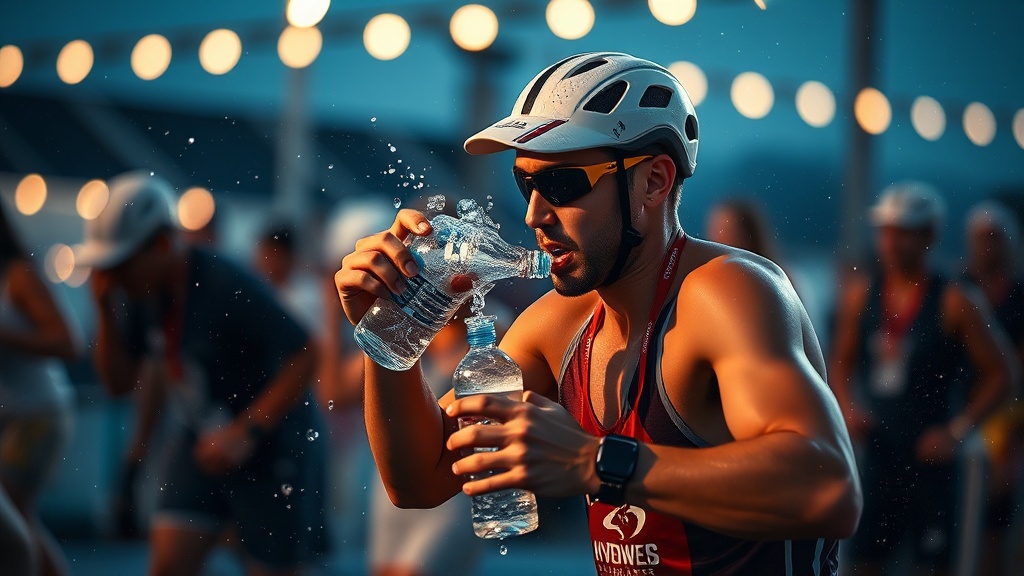
Why Hydration Matters More Than You Think During Long Tournaments

A 2% drop in body water concentration is enough to significantly impair cognitive function, reaction time, and motor coordination. For a dodgeball player, this isn't just a physiological statistic; it is the difference between a successful lateral dodge and a clean hit to the midsection. This post examines why hydration is a foundational pillar of tournament performance, focusing on how fluid management impacts your reaction speed, muscular endurance, and mental clarity during multi-game tournament brackets.
The Physiological Impact of Dehydration on Reaction Speed
Dodgeball is a game of split-second decisions. Whether you are tracking a high-velocity heater from a heavy hitter or timing a jump to avoid a low shot, your nervous system relies on precise electrical signaling. Dehydration disrupts this process. When your blood volume decreases due to fluid loss, your heart has to work harder to pump oxygenated blood to your brain and your extremities. This leads to a measurable lag in neuromuscular transmission.
In a tournament setting, you are often playing back-to-back matches. By the fourth or fifth hour of competition, even mild dehydration can lead to "brain fog." You might find yourself staring at the ball, unable to predict its trajectory, or reacting a fraction of a second too late. This lack of neurological sharpness is often mistaken for poor skill, but it is actually a physiological failure caused by insufficient fluid intake. If you want to maintain your edge, you must treat hydration as a component of your training, not an afterthought.
To keep your nervous system firing at peak capacity, you should monitor your reaction speed during warm-ups. If you feel sluggish or "heavy" during your initial drills, your hydration levels are likely already suboptimal. This is closely linked to how sleep quality affects your reflexes, as both sleep deprivation and dehydration compromise the central nervous system's ability to process rapid stimuli.
Electrolytes: More Than Just Salt
Drinking plain water is often insufficient during a long tournament day, especially if you are playing in a non-climate-controlled gym or a convention center. While water is essential, relying solely on it can lead to hyponatremia—a dangerous dilution of sodium levels in the blood. To maintain cellular function and prevent cramping, you need a balance of electrolytes, specifically sodium, potassium, and magnesium.
Sodium is the most critical electrolyte for dodgeball players because it aids in water retention and nerve signaling. Potassium helps with muscle contractions, while magnesium is vital for preventing the involuntary spasms that can ruin a game. Instead of reaching for sugary sodas or high-fructose energy drinks, look for products designed for sustained athletic output. Brands like Liquid I.V. or LMNT offer high-sodium, low-sugar options that provide the necessary electrolytes without the insulin spike and subsequent crash.
A practical strategy is to use a "loading" method. Start increasing your electrolyte intake 24 hours before the tournament begins. On the day of the event, aim for a consistent intake of 500ml to 750ml of an electrolyte-rich solution for every two hours of high-intensity play. This ensures that your cells remain hydrated and your muscles are ready for the explosive lateral movements required to evade incoming fire.
Preventing Muscle Fatigue and Cramping
Cramping is the ultimate tournament killer. There is nothing more frustrating than being in the middle of a high-stakes set, only to have your calf or hamstring seize up during a desperate lunge. While muscle fatigue is often a result of poor conditioning, dehydration accelerates the onset of fatigue by reducing the efficiency of muscle contractions. When your muscles are dehydrated, they become less efficient at clearing metabolic waste products like lactic acid.
To mitigate this, you must integrate hydration into your recovery intervals. Between matches, do not just sit on the sidelines and scroll through your phone. Use that time to actively rehydrate. A common mistake is "chugging" a liter of water immediately after a match. This often leads to gastrointestinal distress or a "sloshing" feeling that makes movement uncomfortable. Instead, take consistent, smaller sips of an electrolyte drink throughout your downtime.
If you feel a cramp coming on, it is often a sign that your magnesium or sodium levels are critically low. In these moments, a quick dose of an electrolyte powder can help, but you should also focus on mobility. Using a tool like a foam roller between games can help manage the physical tension that accompanies fatigue. Understanding how to use foam rolling to prevent fatigue can be a secondary defense, but it cannot replace the fundamental need for fluid and mineral replacement.
The Tournament Hydration Protocol
To succeed in a multi-day or long-format tournament, you need a structured protocol. You cannot rely on thirst as your primary indicator for drinking; by the time you feel thirsty, you are already dehydrated. Follow this three-phase approach to ensure you stay at peak performance from the first whistle to the final championship match.
Phase 1: The Pre-Tournament Load (24 Hours Prior)
- Increase Fluid Intake: Sip on water and electrolyte-rich beverages throughout the day.
- Monitor Urine Color: Your urine should be a pale straw color. If it is dark yellow, you are starting the tournament at a deficit.
- Limit Diuretics: Reduce excessive caffeine and alcohol intake, as these can increase fluid loss.
Phase 2: The Active Competition Phase (During Play)
- The 20-Minute Rule: Aim to consume 150-250ml of fluid every 20 minutes, even if you don't feel thirsty.
- Prioritize Electrolytes: Use a mix of water and an electrolyte supplement (like Nuun or Gatorade Endurance) to maintain mineral balance.
- Temperature Control: If possible, keep your water cold. Cold liquids can help lower your core body temperature, which is vital if the tournament venue is poorly ventilated.
Phase 3: The Recovery Phase (Post-Match/Post-Tournament)
- Replenish Losses: Weigh yourself before and after the tournament if you want to be precise. For every pound lost, you should consume roughly 16-24 ounces of fluid.
- Protein and Carbs: Pair your rehydration with a meal containing complex carbohydrates and protein to kickstart muscle repair.
- Sleep Integration: Ensure your rehydration efforts continue into the evening to support deep sleep, which is essential for neurological recovery.
Common Hydration Pitfalls to Avoid
Many players fall into the trap of "over-hydrating" with plain water. While it sounds counterintuitive, drinking massive amounts of plain water without electrolytes can actually be detrimental. This can lead to a dilution of your blood sodium, causing weakness and even confusion. This is why professional athletes rarely rely on water alone during intense competition.
Another common mistake is the reliance on high-sugar energy drinks. While the glucose provides a temporary burst of energy, the subsequent insulin spike often leads to a "crash." In a dodgeball tournament, where you might be playing for eight hours, these crashes can be devastating to your focus and reaction time. If you need a glucose boost, opt for a controlled amount of carbohydrates through a specialized sports drink rather than a soda or an energy drink loaded with artificial additives.
Finally, do not ignore the impact of environmental factors. If you are playing in a large, high-ceilinged gym with poor airflow, your sweat rate will increase significantly. In these environments, your need for electrolytes and fluids increases exponentially. Always check the venue's amenities beforehand—ensure there are water refill stations nearby so you aren't wasting precious downtime hunting for a beverage.
Effective hydration is a tactical decision. It is as much a part of your game plan as your throwing technique or your defensive positioning. By treating your fluid and electrolyte intake with the same discipline you bring to your practice sessions, you ensure that when the game is on the line, your body and brain are capable of responding with precision.