Dodgeball Shoulder Prehab: 20-Minute Armor for Hard Throws

Title: Dodgeball Shoulder Prehab: 20-Minute Armor for Hard Throws
Primary keyword: dodgeball shoulder prehab
Excerpt: Dodgeball shoulder prehab keeps your arm alive through heavy throwing weeks. This 20-minute circuit builds cuff strength, control, and durability all season.
Tags: injury-prevention, training, shoulder-health, throwing, gear
 Listen up, ballers—your elbow isn’t the only thing at risk when you throw hot. Your shoulder is the hinge that keeps the whole machine from snapping. If you want to survive a tournament weekend, dodgeball shoulder prehab isn’t optional—it’s The Meta.
I’m a former D1 pitching prospect with a blown-out elbow and a decade on the wood. I’m not writing this for rehab clinics. I’m writing this for you, the person who still throws 80 reps at a Tuesday night run and wonders why the front of your shoulder feels like it’s on fire the next morning.
## Context: Why This Matters Right Now
March is where the rust comes off and the volume spikes. You go from “a few throws” to 200+ per session the minute spring circuits ramp. That’s when shoulder tendons say, “Cool story—now pay the bill.” Prehab is how you pay early instead of getting benched.
Listen up, ballers—your elbow isn’t the only thing at risk when you throw hot. Your shoulder is the hinge that keeps the whole machine from snapping. If you want to survive a tournament weekend, dodgeball shoulder prehab isn’t optional—it’s The Meta.
I’m a former D1 pitching prospect with a blown-out elbow and a decade on the wood. I’m not writing this for rehab clinics. I’m writing this for you, the person who still throws 80 reps at a Tuesday night run and wonders why the front of your shoulder feels like it’s on fire the next morning.
## Context: Why This Matters Right Now
March is where the rust comes off and the volume spikes. You go from “a few throws” to 200+ per session the minute spring circuits ramp. That’s when shoulder tendons say, “Cool story—now pay the bill.” Prehab is how you pay early instead of getting benched.
 ## The Meta Problem: Why Dodgeball Shoulders Blow Up
If you only think about throwing hard, you miss the real stressor: **deceleration.** Every throw has to be stopped. Your rotator cuff and scapular stabilizers do that dirty work, and they get smoked by sloppy volume.
Here’s what I see on the wood every week:
- **Front-shoulder ache** after hard cross-body throws
- **Lat tightness** from late-arm drag
- **Wristy releases** because the cuff is tired and the body cheats
That’s not “just soreness.” That’s the warning label.
## The Meta Problem: Why Dodgeball Shoulders Blow Up
If you only think about throwing hard, you miss the real stressor: **deceleration.** Every throw has to be stopped. Your rotator cuff and scapular stabilizers do that dirty work, and they get smoked by sloppy volume.
Here’s what I see on the wood every week:
- **Front-shoulder ache** after hard cross-body throws
- **Lat tightness** from late-arm drag
- **Wristy releases** because the cuff is tired and the body cheats
That’s not “just soreness.” That’s the warning label.
 ## The 20-Minute Dodgeball Shoulder Prehab Circuit
You want a circuit you’ll actually do. Here’s mine. I run it **3x per week**, and **every game day** gets a shortened version (5-8 minutes). No fluff. All shoulder armor.
### 1) Scap Push-Up Plus (2 sets of 12)
Push-up position, keep elbows locked, and slide your shoulder blades forward. You’re training serratus—the muscle that keeps your shoulder from dumping forward.
### 2) Band External Rotation at 90° (2 sets of 10 per side)
Elbow at shoulder height, rotate back like you’re cocking a throw. Go slow. That’s your cuff learning to stabilize under game-speed positions.
### 3) Prone Y-T-W (2 rounds, 6 each position)
Lie face-down, raise arms into a Y, then T, then W. No weights needed. If you can’t control these, you’re not ready to control a 70 mph release.
### 4) Serratus Punches (2 sets of 12)
Lying on your back with a light dumbbell, reach toward the ceiling—don’t bend your elbows. That small punch teaches shoulder stability when you extend for catches.
### 5) Side-Lying External Rotation (2 sets of 10 per side)
This is the classic rotator cuff move for a reason. Keep the elbow tucked. Tempo matters: **2 seconds up, 3 seconds down.**
## The 20-Minute Dodgeball Shoulder Prehab Circuit
You want a circuit you’ll actually do. Here’s mine. I run it **3x per week**, and **every game day** gets a shortened version (5-8 minutes). No fluff. All shoulder armor.
### 1) Scap Push-Up Plus (2 sets of 12)
Push-up position, keep elbows locked, and slide your shoulder blades forward. You’re training serratus—the muscle that keeps your shoulder from dumping forward.
### 2) Band External Rotation at 90° (2 sets of 10 per side)
Elbow at shoulder height, rotate back like you’re cocking a throw. Go slow. That’s your cuff learning to stabilize under game-speed positions.
### 3) Prone Y-T-W (2 rounds, 6 each position)
Lie face-down, raise arms into a Y, then T, then W. No weights needed. If you can’t control these, you’re not ready to control a 70 mph release.
### 4) Serratus Punches (2 sets of 12)
Lying on your back with a light dumbbell, reach toward the ceiling—don’t bend your elbows. That small punch teaches shoulder stability when you extend for catches.
### 5) Side-Lying External Rotation (2 sets of 10 per side)
This is the classic rotator cuff move for a reason. Keep the elbow tucked. Tempo matters: **2 seconds up, 3 seconds down.**
 ## Volume Rules: How to Throw Without Breaking
The biggest trap in dodgeball is pretending you’re a pitcher and a quarterback in the same night. You’re not. You’re a dodgeball athlete, and the ball load is different.
- **Cap high-intent throws at 60 per session.** After that, you’re training bad mechanics.
- **Split velocity days and touch days.** Hard one night, finesse the next.
- **Track pain, not ego.** A 3/10 ache is information. A 6/10 is a red flag.
If you want to go deeper on grip mechanics that reduce shoulder strain, read my breakdown on **The Pinch Grip** here: /posts/the-pinch-grip-a-step-by-step-guide-to-adding-15-mph-to-your-throw
## Gear That Protects Your Shoulder (And Ego)
You can’t out-prehab terrible equipment. Two fast rules:
- **Court shoes only.** If your base slips, your shoulder pays the balance bill. Volleyball court shoes keep your base stable, so your arm doesn’t have to save every rep.
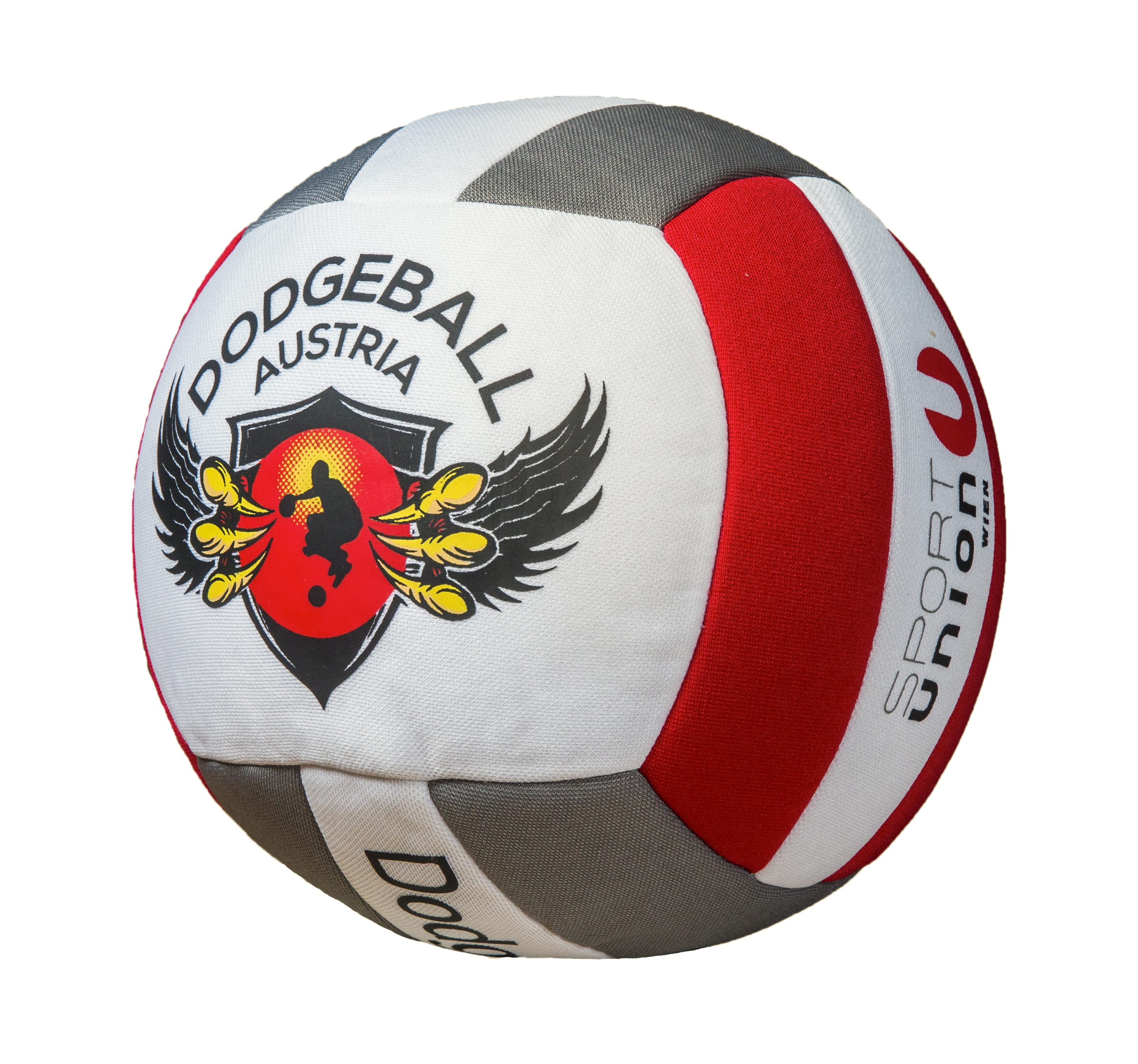
- **Cloth balls for real throwers.** The grip lets you throw clean without muscling the release. Foam makes people wrist-flip and overload the front shoulder. Cloth lets you spin it and breathe.
If you’re studying rule-driven mechanics, compare this with my post on the **Dead Ball Rule Meta** here: /posts/dead-ball-rule-dodgeball-win-the-2026-sequence-meta
## Takeaway
You don’t need a 90-minute rehab routine. You need 20 minutes of disciplined, repeatable work that keeps your shoulder honest. Do the circuit, respect the volume rules, and your throws will stay loud all season.
Now get back on the line.
## Volume Rules: How to Throw Without Breaking
The biggest trap in dodgeball is pretending you’re a pitcher and a quarterback in the same night. You’re not. You’re a dodgeball athlete, and the ball load is different.
- **Cap high-intent throws at 60 per session.** After that, you’re training bad mechanics.
- **Split velocity days and touch days.** Hard one night, finesse the next.
- **Track pain, not ego.** A 3/10 ache is information. A 6/10 is a red flag.
If you want to go deeper on grip mechanics that reduce shoulder strain, read my breakdown on **The Pinch Grip** here: /posts/the-pinch-grip-a-step-by-step-guide-to-adding-15-mph-to-your-throw
## Gear That Protects Your Shoulder (And Ego)
You can’t out-prehab terrible equipment. Two fast rules:
- **Court shoes only.** If your base slips, your shoulder pays the balance bill. Volleyball court shoes keep your base stable, so your arm doesn’t have to save every rep.
- **Cloth balls for real throwers.** The grip lets you throw clean without muscling the release. Foam makes people wrist-flip and overload the front shoulder. Cloth lets you spin it and breathe.
If you’re studying rule-driven mechanics, compare this with my post on the **Dead Ball Rule Meta** here: /posts/dead-ball-rule-dodgeball-win-the-2026-sequence-meta
## Takeaway
You don’t need a 90-minute rehab routine. You need 20 minutes of disciplined, repeatable work that keeps your shoulder honest. Do the circuit, respect the volume rules, and your throws will stay loud all season.
Now get back on the line.
Listen up, ballers—your elbow isn’t the only thing at risk when you throw hot. Your shoulder is the hinge that keeps the whole machine from snapping. If you want to survive a tournament weekend, dodgeball shoulder prehab isn’t optional—it’s The Meta.
I’m a former D1 pitching prospect with a blown-out elbow and a decade on the wood. I’m not writing this for rehab clinics. I’m writing this for you, the person who still throws 80 reps at a Tuesday night run and wonders why the front of your shoulder feels like it’s on fire the next morning.
## Context: Why This Matters Right Now
March is where the rust comes off and the volume spikes. You go from “a few throws” to 200+ per session the minute spring circuits ramp. That’s when shoulder tendons say, “Cool story—now pay the bill.” Prehab is how you pay early instead of getting benched.
## The Meta Problem: Why Dodgeball Shoulders Blow Up
If you only think about throwing hard, you miss the real stressor: **deceleration.** Every throw has to be stopped. Your rotator cuff and scapular stabilizers do that dirty work, and they get smoked by sloppy volume.
Here’s what I see on the wood every week:
- **Front-shoulder ache** after hard cross-body throws
- **Lat tightness** from late-arm drag
- **Wristy releases** because the cuff is tired and the body cheats
That’s not “just soreness.” That’s the warning label.
## The 20-Minute Dodgeball Shoulder Prehab Circuit
You want a circuit you’ll actually do. Here’s mine. I run it **3x per week**, and **every game day** gets a shortened version (5-8 minutes). No fluff. All shoulder armor.
### 1) Scap Push-Up Plus (2 sets of 12)
Push-up position, keep elbows locked, and slide your shoulder blades forward. You’re training serratus—the muscle that keeps your shoulder from dumping forward.
### 2) Band External Rotation at 90° (2 sets of 10 per side)
Elbow at shoulder height, rotate back like you’re cocking a throw. Go slow. That’s your cuff learning to stabilize under game-speed positions.
### 3) Prone Y-T-W (2 rounds, 6 each position)
Lie face-down, raise arms into a Y, then T, then W. No weights needed. If you can’t control these, you’re not ready to control a 70 mph release.
### 4) Serratus Punches (2 sets of 12)
Lying on your back with a light dumbbell, reach toward the ceiling—don’t bend your elbows. That small punch teaches shoulder stability when you extend for catches.
### 5) Side-Lying External Rotation (2 sets of 10 per side)
This is the classic rotator cuff move for a reason. Keep the elbow tucked. Tempo matters: **2 seconds up, 3 seconds down.**
## Volume Rules: How to Throw Without Breaking
The biggest trap in dodgeball is pretending you’re a pitcher and a quarterback in the same night. You’re not. You’re a dodgeball athlete, and the ball load is different.
- **Cap high-intent throws at 60 per session.** After that, you’re training bad mechanics.
- **Split velocity days and touch days.** Hard one night, finesse the next.
- **Track pain, not ego.** A 3/10 ache is information. A 6/10 is a red flag.
If you want to go deeper on grip mechanics that reduce shoulder strain, read my breakdown on **The Pinch Grip** here: /posts/the-pinch-grip-a-step-by-step-guide-to-adding-15-mph-to-your-throw
## Gear That Protects Your Shoulder (And Ego)
You can’t out-prehab terrible equipment. Two fast rules:
- **Court shoes only.** If your base slips, your shoulder pays the balance bill. Volleyball court shoes keep your base stable, so your arm doesn’t have to save every rep.
- **Cloth balls for real throwers.** The grip lets you throw clean without muscling the release. Foam makes people wrist-flip and overload the front shoulder. Cloth lets you spin it and breathe.
If you’re studying rule-driven mechanics, compare this with my post on the **Dead Ball Rule Meta** here: /posts/dead-ball-rule-dodgeball-win-the-2026-sequence-meta
## Takeaway
You don’t need a 90-minute rehab routine. You need 20 minutes of disciplined, repeatable work that keeps your shoulder honest. Do the circuit, respect the volume rules, and your throws will stay loud all season.
Now get back on the line.