Dead Ball Rule Dodgeball: Win the 2026 Sequence Meta

Title: Dead Ball Rule Dodgeball: Win the 2026 Sequence Meta
Primary keyword: dead ball rule dodgeball
Excerpt: Dead ball rule dodgeball is reshaping 2026 tactics. Learn how the sequence-of-play meta changes blocking, resets, and counter-striking on the wood.
Tags: rules, tactics, USA Dodgeball, WDBF, training
Listen up, ballers—if you still treat a “dead ball” like a trash can toss, you’re already behind The Meta. The rules didn’t just change the clock; they changed the chessboard. Your sequence-of-play discipline is now the difference between a clean counter and a free out.
Context: Why the Dead Ball Rule Matters Right Now
We’re in a rules-first era. USA Dodgeball’s 2026 rules update tightened sequence-of-play definitions and reset procedures. WDBF’s March 2024 rulebook sharpened equipment specs and reinforced standardized play. That’s not paperwork—that’s a tactical roadmap. If you don’t train the rulebook, you’re playing last year’s sport on today’s wood.
The Meta Shift: Sequence-of-Play Is the New Trigger
The old meta was “throw hard, throw fast.” The new meta is “throw clean, reset faster.” Here’s what actually changed the fight:
1) Dead Ball Definition Is Now a Tactical Timer
A dead ball isn’t just “ball hit the floor.” It’s the end of a sequence-of-play. That means every live throw has a tactical clock attached. If you don’t read that clock, you over-commit, and your lane gets punished.
Coaching cue: I yell “Clock!” after every live throw in practice—my crew has to call dead-ball out loud so they feel the rhythm. If you can’t say it, you can’t time it.
2) Resets Are No Longer Free Possessions
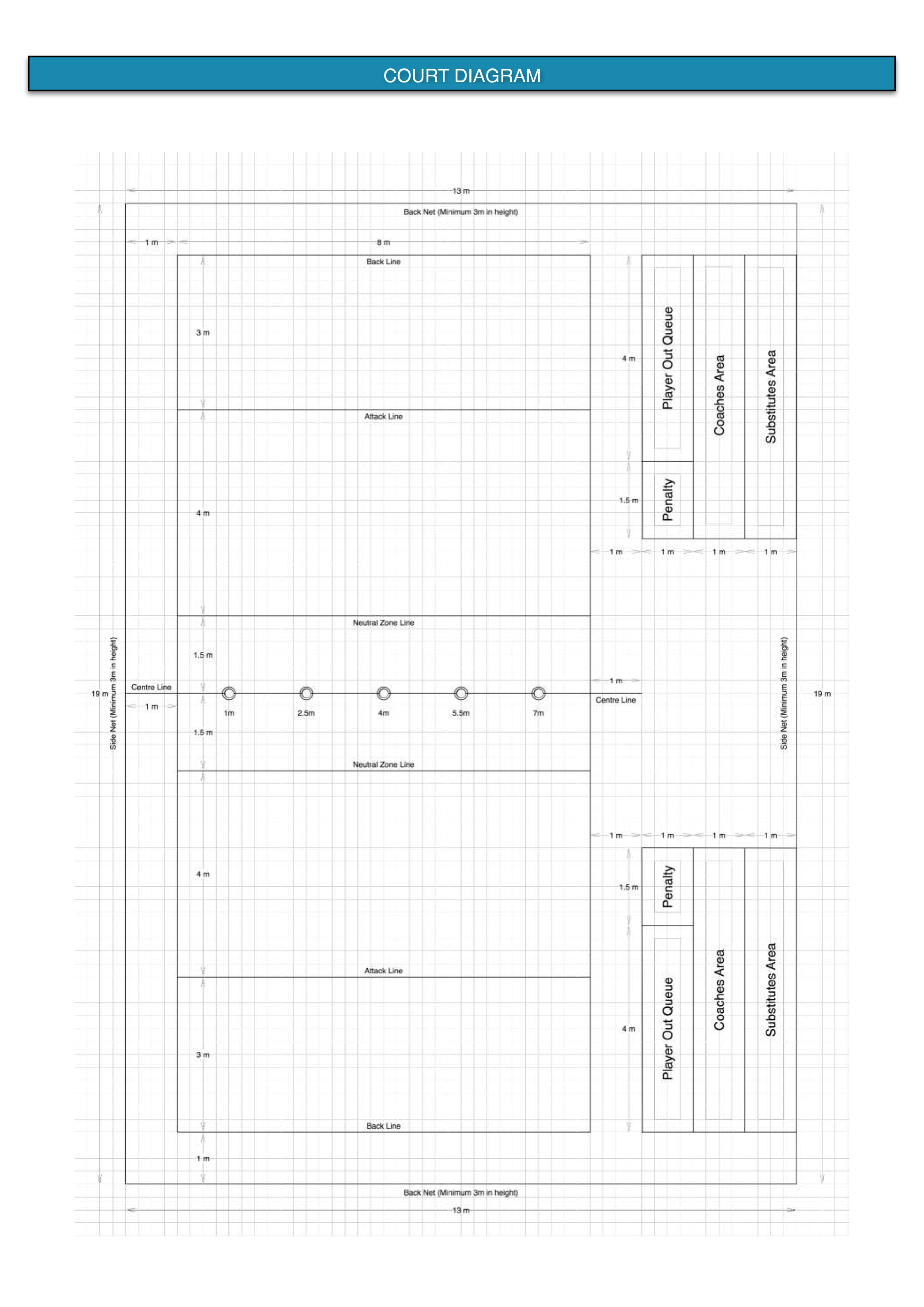
When no-block phases trigger and balls reset, you don’t get to freelance. You have to reset the shape before you throw. The teams winning right now are the ones who can call a reset, rebuild a six-ball shell, and still fire the first clean shot.
Coaching cue: We drill “reset-to-shot” in six seconds. If your first throw is sloppy, you’re gifting a catch.
3) Burden and Ball Control Are Now About Sequence, Not Strength
With burden rules clarified for no-sting and foam, you can’t brute-force a tempo swing. You have to sequence it—trade two for one, shift the burden, then hit the wing. That’s a rotation game, not a hero throw.
Coaching cue: I want a two-throw combo where the second throw is pre-planned, not reactive.
The Technical Fixes: How I’m Training for the Rulebook
You want to win in 2026? Stop talking about “more hustle” and start drilling rule-informed mechanics. Here’s the exact playbook I use with my crew.
Drill 1: The Sequence Callout Ladder
Goal: Turn rule language into muscle memory.
Setup:
- 3v3 on a half court
- 2 active balls
- One coach or captain calling the sequence
Rules:
- Every throw must be followed by a loud “LIVE” call
- The first floor touch triggers a loud “DEAD” call
- If anyone misses a call, that player is auto-out
Why it works: You’re training your ears and timing—the two things most players ignore. This drill builds the instinct to stop a sequence clean and reset the shape.
Drill 2: Dead-Ball Sweep and Replace
Goal: Stop “ball watching” and start ball replacing.
Setup:
- 6 balls on court
- Two designated sweepers per team
Rules:
- After any dead ball, sweepers sprint to replace it with a live ball from the back line
- First team to restore a six-ball shell wins the rep
Why it works: You’re training the fastest path back to control. In 2026, the team that restores shell control faster owns the tempo.
Drill 3: The Six-Second Reset Shot
Goal: Fire a clean opening shot post-reset.
Setup:
- Simulate a reset (coach yells “RESET”)
- Team has six seconds to form a shell and throw one targeted ball
Rules:
- The throw must target a defined zone (left wing, center lane, right wing)
- Any off-target shot is a failed rep
Why it works: Most resets devolve into chaos. This drill forces a clean read, clean throw, and clean reset rhythm.

Gear and Grip: Rule Changes Expose Lazy Physics
Rules didn’t change your arm—your gear still matters. And if you’re still treating foam like cloth, you’re burning velocity for nothing.
Cloth Ball Advantage (Still My Hill to Die On)
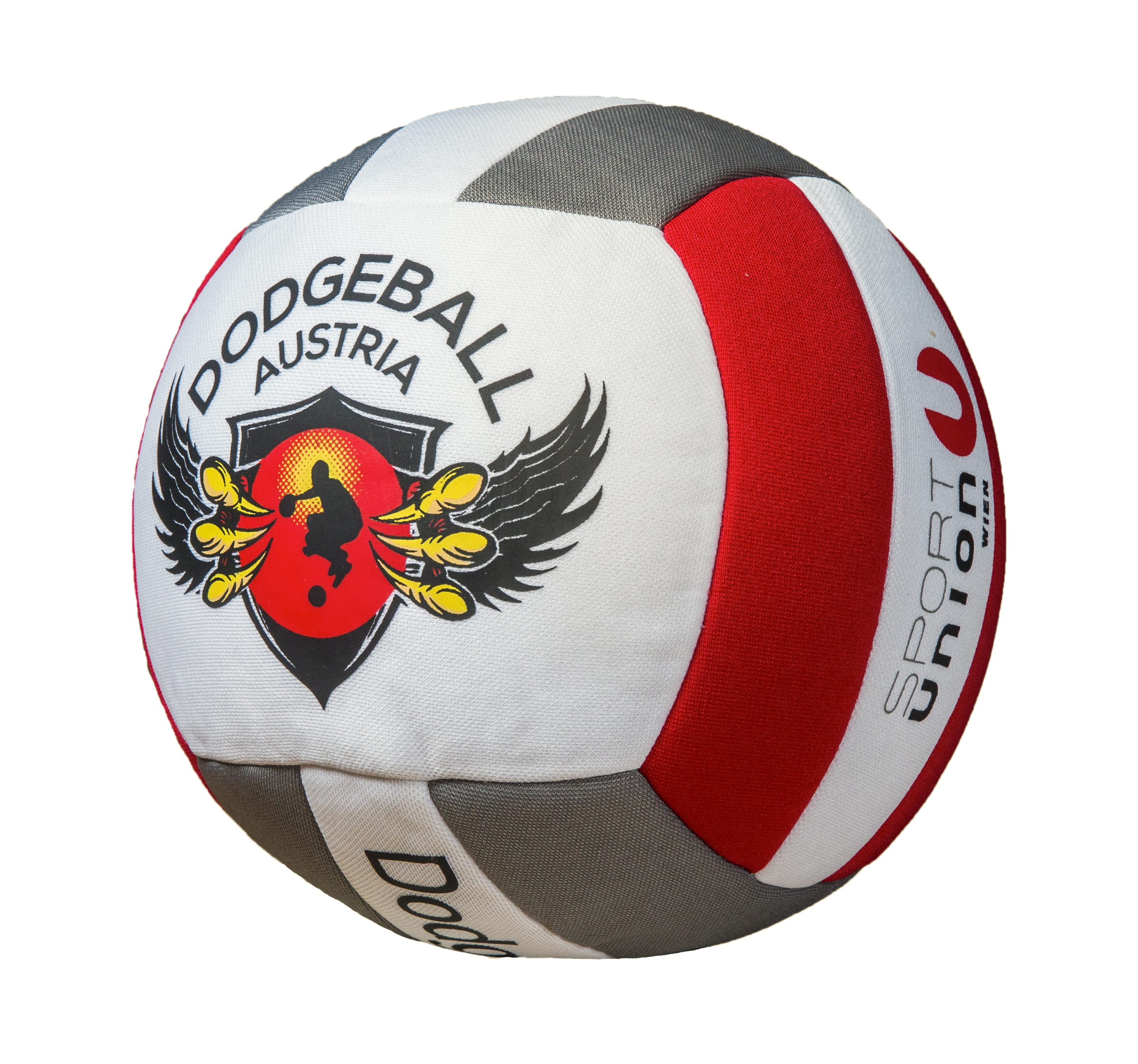
Cloth gives you curve potential and late movement. If your sequence ends on a dead ball, you want a ball that moves before it dies. Cloth gives you that. Foam feels safe; cloth feels honest.
Coach’s note: I can tell if a ball is WDBF spec by the pop and the bite. If your ball floats, your sequence is already dead.
Shoes: Reset Speed Is Now a Stat
If you’re not wearing court shoes built for hard lateral cuts, you’re losing two steps every reset. That’s the difference between owning the line and playing defense on your back foot.
My rule: Volleyball court shoes only. If you show up in “training” sneakers, you’re a liability on the wood.

How This Changes Strategy on the Wood
Let me be blunt: the new rules make lazy teams easier to scout. If I see your crew still throwing immediately after a reset, I’m calling a trap. If I see your wing hold a dead ball, I’m shifting to a two-ball counter and hunting your middle.
The Meta now:
- Sequence discipline beats raw power
- Reset speed beats hero throws
- Burden control beats volume shooting
That’s not soft—it’s smarter. And the teams that learn it fastest will run the bracket.
Takeaway: Train the Rulebook or Get Left Behind
If you want to win in 2026, treat the rules like film study. Read them. Drill them. Build your Team Sync around them. The dead ball rule dodgeball meta isn’t about who throws hardest—it’s about who resets cleanest and strikes first.
Now get back on the line.