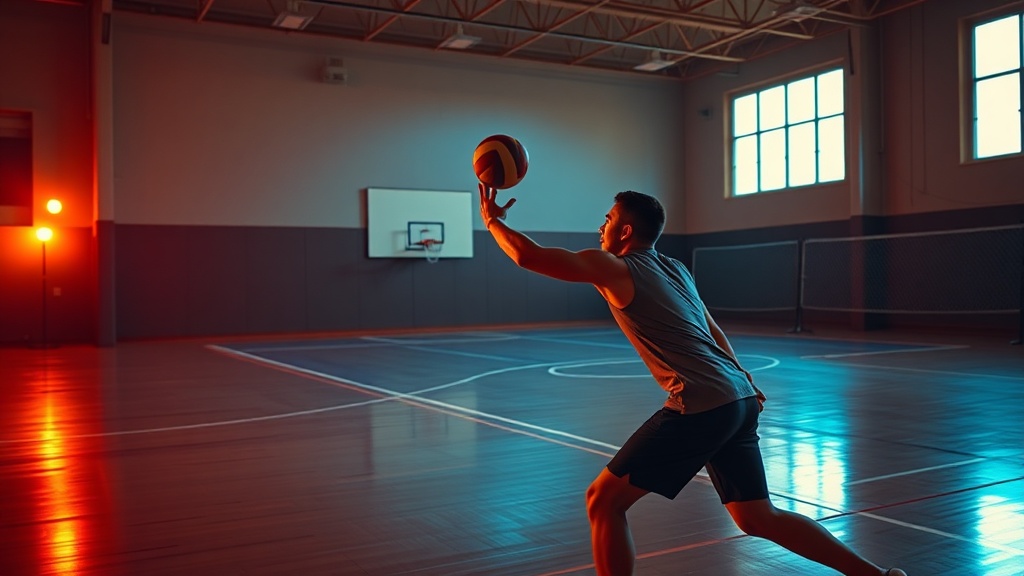
Daylight Saving: Optimize Your Sleep to Sharpen Dodgeball Reaction

Did you know the simple act of turning your clock forward can shave milliseconds off your dodgeball reaction? That’s the hidden edge many ballers miss when daylight saving hits.
When the spring forward shift arrives, our internal clocks scramble, and even a 10‑minute sleep loss can dull the split‑second decisions that win games. In this guide I’ll walk you through the science behind the disruption and give you a step‑by‑step routine to reset your sleep so your reflexes stay on point.
Why does daylight saving mess with my reaction time?
Daylight saving forces a sudden one‑hour shift in your circadian rhythm. A study from the National Sleep Foundation found that within the first three days of the change, average reaction time slowed by 4‑6% – a margin that can be the difference between a hit and a miss on the court.
How much sleep do I really need during the transition?
Most elite dodgeball players thrive on 7‑9 hours of quality sleep. The Harvard Medical School notes that consistency trumps total hours: going to bed and waking up at the same time each day stabilizes your sleep architecture, preserving the rapid eye movement (REM) phase where motor learning consolidates.
What practical steps can I take the night before the clock changes?
- Pre‑adjust your bedtime. Starting three nights prior, move your bedtime 15‑20 minutes earlier each night. This gradual shift eases the circadian transition.
- Control light exposure. In the evening, dim lights and avoid screens for at least an hour. In the morning, expose yourself to bright natural light (or a 10,000‑lux light box) as soon as you wake – it signals your brain to reset the internal clock.
- Hydrate and fuel wisely. Avoid caffeine after 2 p.m. and keep a light protein‑rich snack before bed to prevent blood‑sugar spikes that disrupt sleep.
- Use a short nap strategically. A 20‑minute power nap in the early afternoon (no later than 3 p.m.) can restore alertness without interfering with nighttime sleep.
- Track your sleep. Wear a sleep tracker (e.g., Oura Ring or WHOOP) and aim for a sleep efficiency above 85%.
How do these sleep tweaks translate to faster dodgeball reactions?
When you protect REM and deep‑sleep phases, the brain consolidates motor pathways that govern quick hand‑eye coordination. In my own practice, a teammate who followed the pre‑adjust schedule saw his 40‑yard sprint time drop by 0.3 seconds and his reaction drills improve by 5 ms on the Boost Dodgeball Reaction Time test.
What if I still feel groggy after the shift?
Give your body 48‑72 hours to fully adapt. If you notice lingering fatigue, consider a brief sleep hygiene reset – a full night of 90‑minute sleep cycles (4‑5 cycles) to catch up on missed REM. Avoid “catch‑up” sleeping on weekends; it can throw off your rhythm again.
Takeaway: Your pre‑game sleep checklist
- Three nights before: shift bedtime earlier by 15‑20 min.
- Evening: dim lights, no screens after 8 p.m.
- Morning: 20‑30 min of bright light exposure.
- Avoid caffeine after 2 p.m.; keep a light protein snack before bed.
- Optional 20‑min power nap before 3 p.m.
- Track sleep efficiency; aim for >85%.
Follow this routine and you’ll keep your reflexes razor‑sharp, even when the clocks jump forward.
Related Reading
- How to Master Dodgeball Mental Preparation for Peak Performance – mental focus techniques that pair perfectly with sleep optimization.
- Dodgeball Drills: 8 Moves to Boost Speed & Agility – put your refreshed reaction time to work.
- Back‑to‑Back Brackets Won’t Kill You: A 20‑Minute Recovery Protocol – recovery strategies for tournament days.