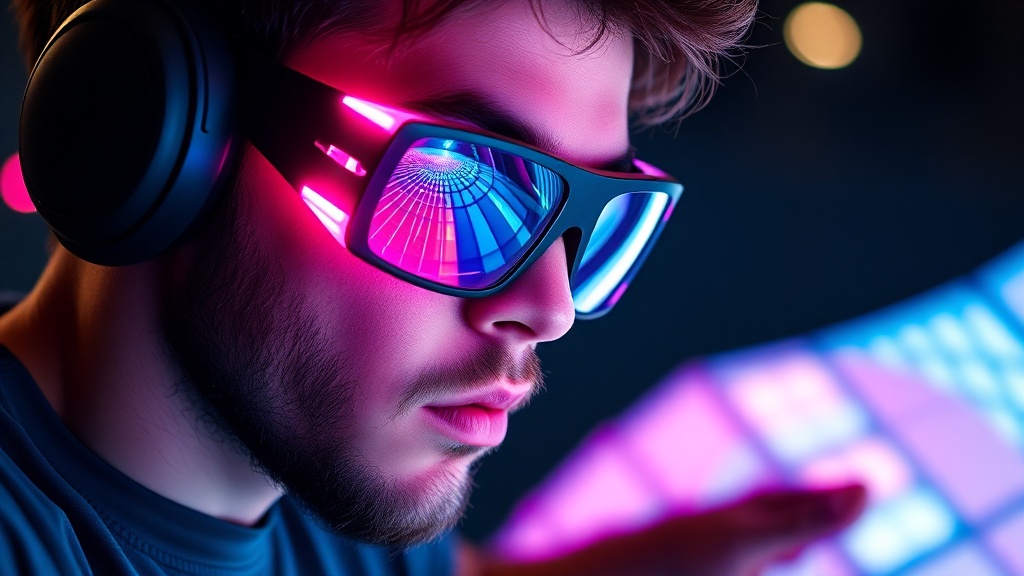
Boost Dodgeball Reaction Time: Proven Drills & Science

Why does reaction time matter in dodgeball?
Every split‑second counts when a ball rockets at you from 70 mph. Faster reaction time means you can catch, dodge, or return a throw before your opponent even registers the move. In tournament play, the difference between a 250 ms and a 300 ms response can be the margin between a win and a loss.
How does visual training boost reaction speed?
Research shows that sport‑specific visual training dramatically improves athletes' reaction times. A 2025 systematic review found that stroboscopic visual training reduced reaction time by up to 30 ms across multiple sports, including ball games.1 Another study from the Khel Journal demonstrated that integrating perceptual‑cognitive drills produced the most pronounced gains in elite athletes.2
Drill #1: Stroboscopic Light Reaction
What you need: A set of strobe glasses (or a DIY LED strobe), a wall‑mounted light panel, and a timer.
- Put on the strobe glasses and stand 5 m from the light panel.
- The panel flashes at random intervals (0.5–2 s). As soon as you see the flash, sprint to touch the panel and return to the start line.
- Record the time for each sprint; aim to shave 0.05 s per round.
- Repeat for 5 minutes, then rest 2 minutes. Perform 3 sets per session, 3 sessions per week.
Consistent practice mirrors the unpredictable nature of dodgeball throws, training your brain to react faster under visual disruption.
Drill #2: FITLIGHT Reactive Grid
What you need: A FITLIGHT system (or any programmable light grid) and a partner.
- Arrange the lights in a 3 × 3 grid on the gym floor.
- Your partner randomly activates a light; you must sprint to the lit square, touch it, and return.
- Increase difficulty by adding a second simultaneous light after the first is hit.
- Track your average reaction time over 10 trials; aim for sub‑250 ms.
The FITLIGHT study with collegiate athletes showed a significant boost in visual‑motor interaction and dribbling speed, which translates directly to dodgeball footwork and hand‑eye coordination.3
Drill #3: Partner Ball‑Drop Reflex
What you need: A dodgeball and a partner.
- Stand back‑to‑back with your partner, each holding a ball.
- On a count of three, both drop the ball simultaneously.
- Turn instantly, catch the falling ball, and toss it back.
- Measure the time from drop to catch; aim to reduce it each round.
This drill trains peripheral awareness and rapid direction changes—key components of in‑game reaction.
Pro Tips for Faster Reflexes
- Warm‑up with dynamic stretches. Loose muscles transmit signals quicker.
- Practice under fatigue. Simulate tournament conditions by doing drills after a 20‑minute scrimmage.
- Track progress. Use a stopwatch or a mobile app to log reaction times; visual feedback fuels improvement.
Common Mistakes to Avoid
- Skipping the visual component — reaction is as much about the eyes as the legs.
- Training only at full speed — start slow to build neural pathways, then accelerate.
- Neglecting recovery — overtraining blunts reflexes; incorporate rest days.
Takeaway: What’s the next step?
Start with the stroboscopic drill twice a week, add FITLIGHT sessions once a week, and sprinkle the ball‑drop reflex into every practice. Within 4‑6 weeks you should see measurable drops in your reaction times, translating to tighter catches and more aggressive throws on the court.
Related Reading
- Catching Is a Weapon: Turn Every Incoming Ball Into a Two‑for‑One — learn how quick catches feed your offense.
- The Pinch Grip: Add 15 MPH to Your Throw — pair faster reaction with a faster throw.
- Dead Ball Rule: Winning the 2026 Sequence Meta — understand how reaction timing influences dead‑ball strategies.
Sources:
1. Frontiers in Psychology, 2025 — https://www.frontiersin.org/journals/psychology/articles/10.3389/fpsyg.2025.1697425/full
2. Khel Journal, 2025 — https://www.kheljournal.com/archives/2025/vol12issue4/PartC/12-4-9-598.pdf
3. JMIR Serious Games, 2025 — https://games.jmir.org/2025/1/e70519/
Steps
- 1
Stroboscopic Light Reaction
Use strobe glasses and a flashing panel to train visual‑motor speed.
- 2
FITLIGHT Reactive Grid
Sprint to illuminated squares on a programmable grid to sharpen footwork and reflexes.
- 3
Partner Ball‑Drop Reflex
Drop and catch simultaneous balls to improve peripheral awareness and rapid direction changes.