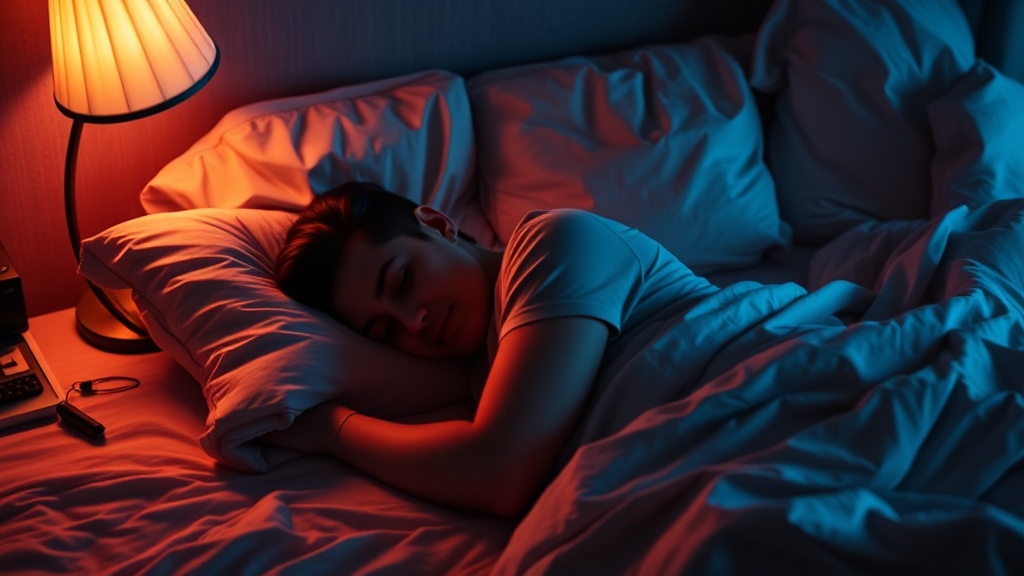
4 Sleep Hacks to Recover Faster Between Tournament Rounds

Optimize Your Room Temperature
The Digital Sunset Protocol
Strategic Caffeine Timing
Post-Game Progressive Muscle Relaxation
The fluorescent lights of the convention center hum with a low, irritating vibration. It’s 11:30 PM. Your lungs feel like they’ve been scrubbed with sandpaper, your forearms are heavy from throwing heavy rubber, and your brain is still tracking the flight path of a phantom ball. You’re staying in a hotel with a thin mattress and a noisy hallway, trying to shut your eyes before the bracket resets at 8:00 AM. This post breaks down four specific sleep strategies to ensure your nervous system recovers so you aren't a liability in the semi-finals.
How Can I Improve Sleep Quality During a Tournament?
You improve sleep quality by controlling your environment and managing your physiological arousal levels through temperature, light, and darkness. In a tournament setting, you aren't just fighting fatigue; you're fighting the residual adrenaline from high-stakes matches. If you don't drop your core temperature and quiet your central nervous system, you'll spend the night staring at the ceiling instead of hitting deep REM cycles.
The first step is temperature regulation. Your body needs a drop in core temperature to initiate sleep. Most hotel rooms are kept too warm for optimal recovery. If you're lying there feeling "wired and tired," it’s likely because your body is still running hot from the physical exertion of the day.
Try using a cooling pad or simply cranking the AC down to 65 degrees. It sounds extreme, but it works. You want that crisp, cool air hitting your skin. It signals to your brain that the work day—and the game day—is officially over.
A secondary factor is light pollution. The blue light from your phone or the bright LED standby lights on a hotel TV can suppress melatonin production. Grab a high-quality eye mask, something like a Manta Sleep Mask, to create total darkness. This isn't just for comfort; it's a tool for biological recovery.
The Hierarchy of Recovery Factors
When you're in the middle of a multi-day event, you can't control everything, but you can control these variables. I've found that focusing on the high-impact items yields the best results for competitive athletes.
- Darkness: Total elimination of light to trigger melatonin.
- Temperature: A cool room to facilitate the drop in core body temperature.
- Noise Control: Using white noise to drown out hotel hallway chaos.
- Mental Deceleration: Moving from high-intensity focus to a low-stimulation state.
What Should I Eat or Drink Before Bed to Sleep Better?
Focus on a small, easily digestible snack containing complex carbohydrates and a trace of protein, while strictly avoiding stimulants and heavy fats. You want to avoid the "heavy stomach" feeling that keeps you awake, but you also don't want to wake up in a hypoglycemic state at 3:00 AM.
I used to make the mistake of drinking a massive protein shake right before hitting the pillow. That was a disaster. The digestion process kept my internal temperature too high. Instead, try a small bowl of oatmeal or even a banana. These provide a slow release of energy.
Also, watch your hydration timing. You need to stay hydrated to maintain proper nutritional balance, but chugging a liter of water at midnight will just wake you up to use the bathroom. If you're feeling the effects of dehydration, look back at your hydration strategies for mental focus to ensure you're hitting your marks during the day, not just at night.
One thing to note: avoid alcohol for "relaxation." It might help you fall asleep faster, but it absolutely wrecks your sleep architecture. You'll spend the night in light sleep and wake up feeling like you never slept at all. Your reaction time will be shot for the next round.
How Do I Calm My Mind After a High-Intensity Match?
Use a structured breathing technique or a low-stimulation activity to transition your nervous system from sympathetic (fight or flight) to parasympathetic (rest and digest) dominance. When you've just finished a high-stakes game, your cortisol levels are through the roof. You can't just flip a switch and be "off."
I recommend the 4-7-8 breathing method. Inhale for 4 seconds, hold for 7, and exhale for 8. It’s a simple way to force your heart rate to settle. It’s not magic, but it’s a physiological hack that works.
Another tactic is "Brain Dumping." If you're lying in bed thinking about that one throw you missed or the way the ref called a foul, write it down. Get it out of your head and onto a piece of paper. Once it's written down, your brain feels it has "stored" the information and can stop looping the thought.
If your mind is still racing, don't fight it. Get out of bed, sit in a chair in the dark, and do something incredibly boring for ten minutes. Read a technical manual or a dry book—nothing with bright lights or fast-paced plots. This is about lowering the cognitive load.
Comparing Recovery Methods
| Method | Primary Benefit | Effort Level |
|---|---|---|
| 4-7-8 Breathing | Nervous System Regulation | Low |
| Blackout Mask | Melatonin Production | Very Low |
| Temperature Drop | Core Temp Regulation | Medium |
| Cognitive Unloading | Mental De-escalation | Medium |
It's easy to overlook these things when you're focused on your physical training. You might spend hours working on improving your throwing velocity, but all that power is useless if your brain is too fried to execute the movement. A fatigued brain makes slow decisions. In a game of inches, a slow decision is a death sentence.
Don't ignore the mental side of the game. If you're constantly in a state of high arousal, you'll burn out by the second day of a tournament. Use these tools to ensure you're actually recovering, not just resting.
The difference between a podium finish and an early exit often comes down to who managed their energy better during the downtime. Treat your sleep with the same discipline you treat your practice sessions. It's just another part of the training.